Nintendo has turned older Switch games into a new kind of product, asking players to pay for enhancements that often feel closer to patches than full upgrades. The company’s Switch 2 Edition strategy brings better visuals, faster performance, and extra features, but the value question remains.
For many players, the surprise is not that these upgrades exist, but that some require an additional payment after they have already bought the original game. Improvements such as higher resolution, HDR support, and faster loading can be useful, yet they are not always enough to justify new costs.
The debate surrounding Nintendo’s upgrade packs reflects a larger issue in gaming hardware cycles. Consumers expect new consoles to improve on older experiences, but Nintendo is separating some improvements into paid packages rather than treating them as standard updates.
Nintendo turns upgrades into products
The Switch 2 Edition system gives selected Nintendo Switch games additional features designed for the newer console. These enhancements can include higher frame rates, sharper visuals, HDR support, faster loading, and new gameplay features.
Nintendo’s approach creates a middle ground between a free patch and a traditional remaster. Some upgrades simply improve technical performance, while others add features that make the experience feel more substantial for returning players.
The problem appears when the upgrade mostly focuses on technical improvements. Players may wonder why better performance requires an extra purchase when similar updates from other companies are sometimes provided at no additional cost.
The price gap creates confusion
Nintendo’s upgrade packs generally fall into different pricing categories, with many costing $9.99 or $19.99. The cheaper options often focus on technical improvements, while higher-priced packages usually include larger additions.
A $9.99 upgrade for an older game can seem reasonable when it improves performance and adds useful features. However, a $19.99 package becomes harder to defend if most changes involve polish rather than meaningful new content.
This pricing structure prompts consumers to compare Nintendo’s strategy with other publishers’. Some companies release performance improvements as free updates, while Nintendo sometimes treats similar enhancements as separate products.
Zelda upgrades show the debate
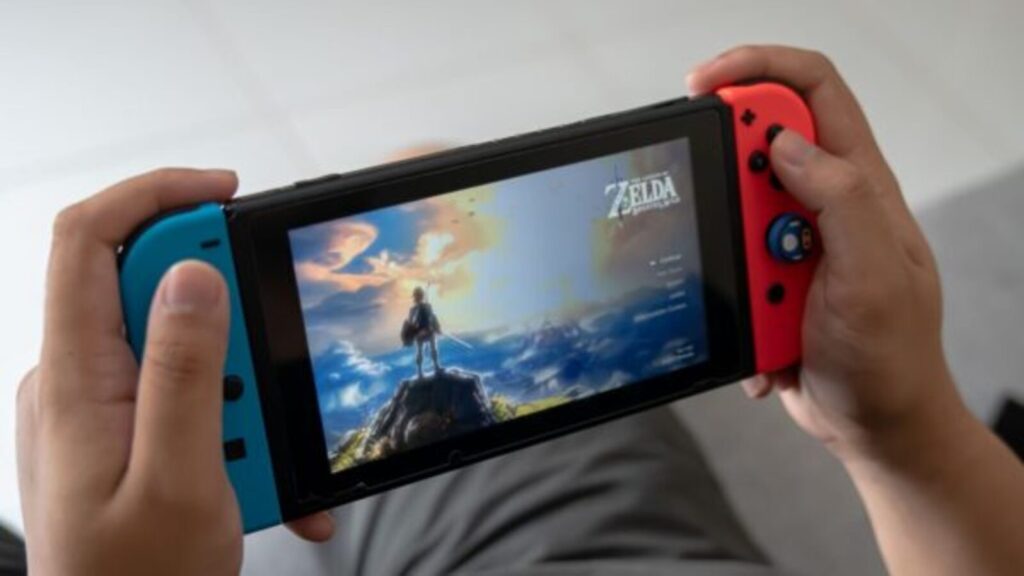
The Zelda upgrade packs represent one of the clearest examples of Nintendo’s approach. Owners of the original games can purchase upgrades for $9.99 each, while some Nintendo Switch Online + Expansion Pack members receive access without extra charges.
The upgrades for The Legend of Zelda: Breath of the Wild and Tears of the Kingdom include improved visuals, faster loading, and Zelda Notes features. These additions include Voice Memories and QR sharing for Ultrahand blueprints.
For dedicated fans, these changes may provide enough value because Zelda games offer enormous worlds and replay potential. For casual players, however, the improvements may feel too limited compared with buying a completely new experience.
Technical improvements are under pressure
Modern console owners increasingly expect hardware upgrades to automatically improve existing libraries. When a new console arrives, better performance often feels like part of the transition rather than a separate purchase.
Nintendo’s paid model challenges that expectation by pricing optimization. The company is effectively selling convenience and refinement, which can be harder for consumers to evaluate than larger expansions.
The upgrades are not necessarily poor products. Faster loading and improved image quality can noticeably enhance games, especially on modern displays, where older Switch limitations are more apparent.
Some upgrades offer real additions
Not every Switch 2 Edition upgrade faces the same criticism. Nintendo has included larger content additions in some packages, making the price easier for players to understand.
Super Mario Party Jamboree + Jamboree TV and Kirby and the Forgotten Land + Star-Crossed World include more than technical improvements. These packages are moving closer to expansion-style releases that introduce new experiences.
The distinction matters because consumers are generally more willing to pay for new content. The frustration grows when a paid upgrade appears to charge primarily for improvements that feel like maintenance.
Little-known fact: Nintendo says the original Switch version remains playable on the original Switch, while the upgraded features are available only on Switch 2.
Nintendo’s strategy changes expectations
Nintendo has created a mixed ecosystem in which some games receive free updates while others receive paid Switch 2 Edition versions. That difference has made the upgrade strategy more controversial among players.
If every technical improvement required payment, consumers might better understand the business model. The confusion comes from seeing some games receive free updates while others are monetized differently.
This approach suggests Nintendo views optimization as a potential revenue stream. The company is not only selling hardware but also creating a new market around enhanced versions of existing software.
The smart home lesson applies here
Smart home consumers are familiar with this type of upgrade cycle. Companies often release new devices with better sensors, faster processors, or improved software, then decide which features are carried over to older products.
Nintendo’s strategy follows a similar pattern by separating hardware capability from software access. The technology exists, but access depends on whether a company chooses to include it in a free update.
For technology buyers, the key question is whether an improvement changes daily experiences enough to justify additional spending. A faster device or better image quality matters, but value depends on the size of the improvement.
Are Switch upgrades worth buying?
The answer depends heavily on the specific game and the player’s expectations. Someone returning to a favorite title may appreciate smoother performance, better visuals, and new features.
Players who have already finished a game once may find less reason to spend extra money on improvements alone. A visual upgrade can be impressive for a few minutes, but may not transform the overall experience.
The strongest purchases are likely the packages that combine technical improvements with meaningful new content. Those upgrades offer greater value because they provide more than refinement.
Nintendo faces a value challenge
Nintendo’s Switch 2 Edition strategy is not simply about whether upgrades work. The bigger issue is whether players believe the improvements deserve a separate price after buying the original games.
The company has created upgrades that can make older titles better on new hardware. However, better performance alone may not always feel like a complete product worthy of another transaction.
As gaming hardware becomes more powerful, companies will continue exploring ways to monetize older libraries. Nintendo’s experiment shows that consumers will carefully judge whether those improvements feel essential or optional.
TL;DR
- Nintendo’s Switch 2 Edition upgrades improve older games with features like HDR, faster loading, and better performance, but value varies widely.
- Cheaper upgrade packs often focus on technical enhancements, while more expensive versions usually require additional content to justify their higher prices.
- Zelda upgrades add useful features such as Zelda Notes, yet some players still question paying separately for refinements.
- Nintendo’s mixed approach creates debate because some games receive free improvements while others require paid access.
- The strongest upgrade packages are those combining performance improvements with new modes, expansions, or meaningful gameplay additions.
This article was made with AI assistance and human editing.
If you liked this, you might also like: