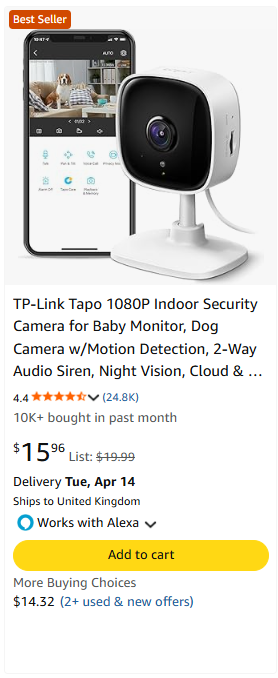
A rental home can feel private the moment the door closes, but hidden cameras have made some travelers rethink which everyday objects they can trust. Everyday objects can sometimes conceal tiny lenses without drawing attention from guests.
The biggest warning signs are not always obvious gadgets or strange equipment. A smoke detector, alarm clock, charger, or picture frame placed in an unusual location may deserve a closer inspection before guests settle in.
Privacy experts recommend a quick room sweep before unpacking, especially in bedrooms and bathrooms. A few simple checks with a smartphone flashlight, camera, and network tools can reveal potential surveillance devices during a brief inspection.
Common objects that can hide cameras
Hidden cameras can be concealed inside ordinary electronics and household objects that naturally blend into a rental or hotel room. Examples include alarm clocks, smoke detectors, USB chargers, picture frames, routers, adapters, and other powered devices.
Guests can pay closer attention to objects with unexplained openings, unusual wiring, unexpected indicator lights, or a clear line of sight toward beds, bathrooms, or changing areas. An item that appears out of place or positioned unusually may justify a closer visual inspection.
Other possible hiding locations include vents, decorative objects, bookshelves, and electronics already present in the room. Because camera designs vary widely, appearance alone cannot confirm whether an object contains a recording device.
Why bedrooms and bathrooms matter most
Bedrooms and bathrooms deserve particular attention because guests have a strong expectation of privacy in these spaces. Any suspected recording device directed toward a bed, shower, bathroom, or changing area should be treated as a serious privacy concern.
Major vacation-rental platforms impose strict indoor-camera rules. Airbnb prohibits hosts from using security cameras or recording devices anywhere inside a home, including common areas, while Vrbo prohibits surveillance cameras and audio recorders inside vacation rentals. Policies on other accommodation platforms and applicable laws can differ.
Travelers should also remember that a hidden camera does not need to resemble a conventional security camera. Small lenses can be concealed inside ordinary electronics and household objects.
How to spot a hidden camera
A visual inspection and flashlight test can help reveal exposed camera lenses. In a darkened room, guests can slowly shine a light across suspicious objects and look for unusually bright reflections that may come from a small glass lens.
A reflection by itself does not prove that a camera is present. White or purple points seen specifically through a smartphone camera may instead come from infrared LEDs used by some night-vision cameras, so suspicious reflections should be examined more closely rather than treated as confirmation.
Guests can focus attention on objects with a clear view of beds, bathrooms, or changing areas, while remembering that no visual inspection can guarantee that every concealed camera will be found.
Using phones to help detect cameras
Some smartphone cameras can detect infrared light emitted by night-vision cameras. In a dark room, an infrared source may appear as a bright white or purple point on a phone screen, even though it is difficult or impossible to see with the naked eye.
The method is imperfect. Many phones use infrared-blocking filters, particularly on rear cameras, and some hidden cameras do not use active infrared illumination at all. Travelers can test their phone with an infrared TV remote before relying on this technique.
No phone app or smartphone test should be treated as proof that a room is camera-free. Combining a physical inspection, a flashlight lens check, an infrared scan, and a network scan provides broader coverage because each technique detects different types of devices.
Little-known fact: A May 2026 lab test found the best-performing phone-based detector app correctly flagged 37 of 40 hidden camera placements, a 92.5% detection rate.
Network tools reveal connected devices
Guests using the rental’s Wi-Fi can scan the network with apps such as Fing to identify unfamiliar devices. These scans may reveal unknown cameras, unusual connections, or devices with suspicious names.
Network checks are not guaranteed to find every camera because some devices may be offline or use separate networks. A hidden camera can also avoid detection by basic consumer scanning tools.
A network scan works best as an additional step rather than the only solution. Physical checks remain important because not every hidden camera communicates through the same internet connection.
Extra tools provide another layer
Dedicated hidden camera detectors and radio frequency scanners can help identify wireless transmissions from some surveillance devices. These tools are most useful when combined with careful physical checks around the room.
However, these detectors can produce false positives from common electronics. Wireless routers, smart devices, and other household equipment may create signals that appear suspicious during a scan.
Because of these limitations, travelers should treat specialized equipment as a supporting tool. A careful inspection of the room often provides valuable information before using more advanced detection methods.
What guests should do after discovery?
Finding a suspicious camera does not mean guests should immediately touch or remove it. Guests should document the device with photos or video while keeping the evidence intact for possible investigations.
Travelers who feel unsafe should leave the property and contact the rental platform, host, or local law enforcement. Reporting the issue quickly can help protect future guests from similar privacy problems.
Guests should also record details about where the device was found and how it appeared. Clear documentation can help investigators understand whether the equipment was intentionally hidden or incorrectly installed.

A quick privacy sweep helps
No single detection method can guarantee a camera-free rental experience. Visual checks, flashlight tests, infrared scans, and network tools each identify different warning signs during a rental privacy review.
The best approach is a short routine completed before settling into the space. Checking unusual objects, private areas, and connected devices can reduce privacy risks without requiring advanced technical skills.
A quick sweep does not need to become a complicated process. Spending a few minutes checking the environment can help travelers feel more comfortable while using short-term rentals.
Little-known fact: A 2025 survey of over 1,000 Americans found 47% reported finding a hidden camera during a stay, nearly double the 25% who reported this in 2023.
Checking unusual room details
An object’s position and line of sight can be useful clues during a visual inspection. Guests can look more closely at smoke detectors, clocks, chargers, sensors, or decorative objects that contain unexplained openings or appear positioned to provide a clear view of a bed, bathroom, or changing area.
Items that seem inconsistent with their surroundings may warrant closer inspection. An unfamiliar charger, a newly placed clock, or an unusual electronic device may simply be harmless, so appearance alone should not be treated as proof of surveillance.
The strongest visual warning signs include a small, lens-like opening, unexplained wiring, unusual indicator lights, or an object that provides an unnecessary view into a private area. Suspicious findings should be investigated without damaging legitimate safety equipment such as smoke detectors.
Smart devices create new concerns
Modern rentals often include connected technology such as speakers, cameras, and smart appliances. While many devices are standard amenities, guests should understand which equipment is available before using the property.
A host providing smart home features should clearly communicate which devices exist and where they are located. Unexpected electronics in private areas warrant further investigation and possible reporting.
As more homes adopt connected products, understanding device placement becomes increasingly important. Smart technology can improve convenience, but transparency remains essential when guests share temporary living spaces.

Before booking, inspect listings
Privacy checks can begin before arriving at a property. Guests can review listing photos for unusual devices, unclear descriptions, or rooms with electronics not explained by the host.
Reading recent reviews may also reveal patterns involving unexpected equipment or privacy concerns. Multiple guests mentioning the same unusual object can provide useful information before making travel plans.
TL;DR
- Hidden cameras are often disguised inside everyday objects like chargers, clocks, and smoke detectors because these items blend easily into normal rental spaces.
- Bedrooms and bathrooms deserve extra attention because undisclosed recording devices in private areas create serious privacy and safety concerns for travelers.
- Smartphone flashlights and cameras can reveal lens reflections or infrared signals, helping guests perform quick checks before unpacking personal belongings.
- Network scanning apps can identify some connected cameras, but they cannot detect every device because many cameras avoid simple searches.
This article was made with AI assistance and human editing.
If you liked this, you might also like: